
 admin
admin The Future of Eco Toilets Is Simpler Than You Think: Save Water and Live Sustainably
The Future of Eco Toilets Is Simpler Than You Think
As water shortages, rising utility costs, and environmental concerns become more common, homeowners are looking for smarter and more sustainable ways to manage waste. Surprisingly, one of the most innovative solutions isn’t high-tech at all. Eco toilets, especially modern composting toilets, are proving that sustainability can be simple, effective, and surprisingly comfortable.
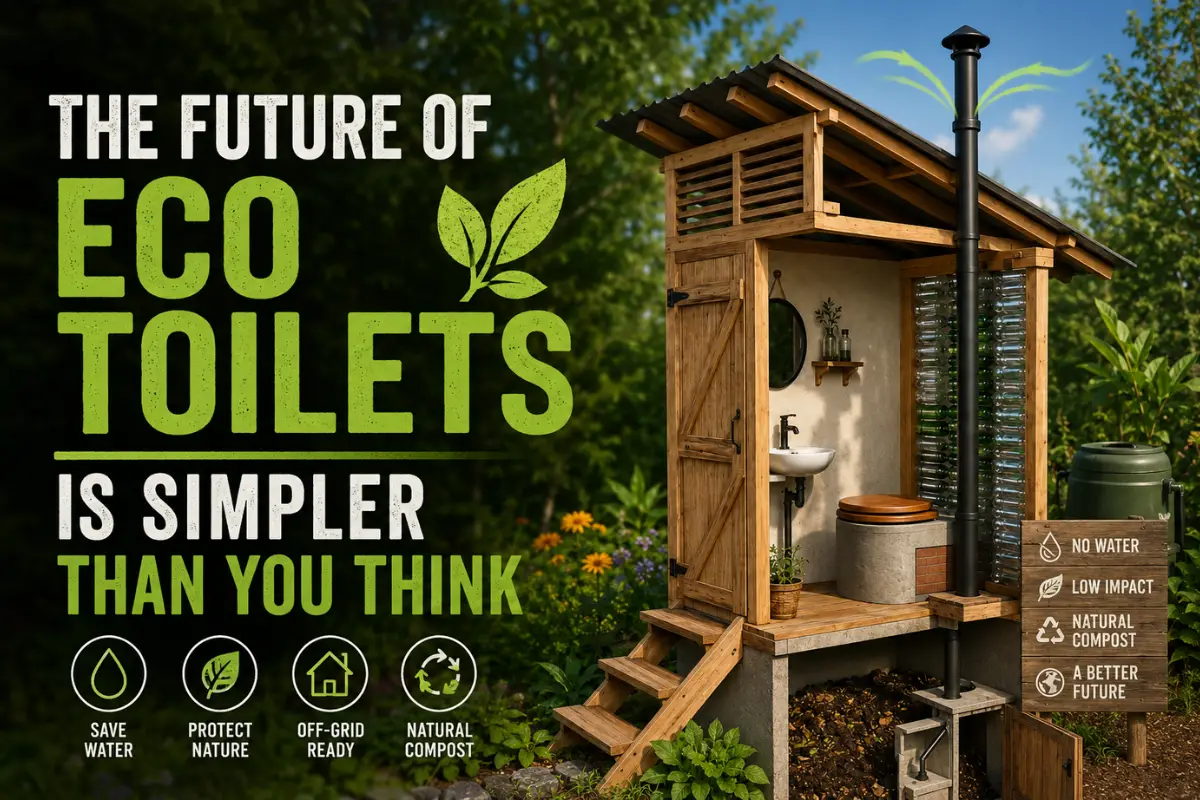
The image above showcases a beautifully designed eco toilet that combines natural materials, smart ventilation, and composting technology into a practical off-grid solution. While many people imagine complicated systems when they hear the term “eco toilet,” the reality is much simpler.
What Is an Eco Toilet?
An eco toilet is a sanitation system designed to reduce water consumption, minimize environmental impact, and safely process human waste. Unlike conventional flush toilets that use liters of clean drinking water every day, eco toilets work with natural processes to transform waste into useful compost.
Modern eco toilets often include:
- Water-saving or waterless operation
- Natural ventilation systems
- Composting chambers
- Waste separation technology
- Recycled or sustainable building materials
The result is a cleaner, greener, and more efficient alternative to traditional plumbing systems.
Why Traditional Toilets Are Becoming Less Sustainable
Most people never think about what happens after they flush. A conventional toilet can use thousands of gallons of water every year. Municipal treatment facilities then require significant energy and infrastructure to process that wastewater.
Some of the major challenges include:
- Excessive water consumption
- Expensive sewage infrastructure
- Increased utility bills
- Environmental pollution risks
- High maintenance costs in remote areas
As populations grow and water resources become more strained, many experts believe alternative sanitation systems will play an increasingly important role.
How Modern Composting Toilets Work
One of the biggest misconceptions is that composting toilets are dirty or difficult to maintain. Today’s systems are designed for convenience and hygiene.
Step 1: Waste Separation
Many eco toilets separate liquid and solid waste. This simple design improves composting efficiency and reduces odors.
Step 2: Natural Ventilation
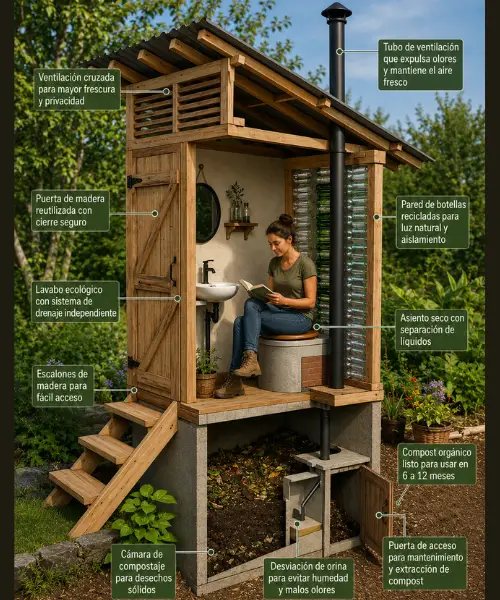
A vertical ventilation pipe continuously draws air upward. This airflow removes moisture and odors while helping beneficial microorganisms do their work.
Step 3: Composting Chamber
Solid waste is collected in a composting chamber where natural bacteria break down organic material over time.
Step 4: Compost Maturation
After several months, the material transforms into stable compost that can be safely handled according to local regulations.
This natural process requires very little energy and virtually no water.
Benefits of Eco Toilets
Massive Water Savings
A traditional toilet can account for nearly 30% of household water use. Composting toilets eliminate most or all of this demand.
Lower Environmental Impact
Less water use means less strain on treatment plants and natural water supplies.
Reduced Utility Costs
Many users experience significant savings on water and sewage bills.
Off-Grid Independence
Eco toilets work exceptionally well in:
- Tiny homes
- Cabins
- Remote properties
- Eco villages
- Campgrounds
- Sustainable homesteads
Valuable Compost Production
When managed correctly, composting systems convert waste into nutrient-rich organic matter rather than sending it to treatment facilities.
Design Features Making Eco Toilets More Popular
Modern eco toilets have evolved dramatically from older designs.
Popular features now include:
Natural Ventilation
Cross-ventilation and exhaust pipes maintain fresh air and eliminate unpleasant odors.
Recycled Materials
Many eco toilet structures incorporate reclaimed wood, recycled glass bottles, and sustainable building products.
Independent Drainage Systems
Small eco sinks can operate separately, reducing plumbing requirements.
Attractive Architecture
Today’s eco toilets are designed to blend into gardens, cabins, and outdoor living spaces while remaining visually appealing.
Common Myths About Composting Toilets
Myth 1: They Smell Bad
Properly ventilated composting toilets produce little to no odor. In many cases, they smell less than traditional bathrooms.
Myth 2: They’re Difficult to Maintain
Most systems require only occasional inspection, compost management, and seasonal maintenance.
Myth 3: They’re Only for Rural Areas
Modern eco toilets are increasingly being installed in suburban homes, tiny houses, and environmentally conscious developments.
Myth 4: They’re Unsanitary
When designed and maintained correctly, composting toilets safely process waste through natural biological decomposition.
Who Should Consider an Eco Toilet?
Eco toilets are ideal for:
- Homesteaders
- Tiny house owners
- Off-grid enthusiasts
- Gardeners
- Eco-conscious families
- Property owners seeking water independence
- Remote cabin owners
They can also serve as backup sanitation systems during emergencies or infrastructure disruptions.
The Future of Sustainable Sanitation
The future of sanitation may not depend on bigger treatment plants or more complex technology. Instead, it may rely on smarter, simpler systems that work with nature rather than against it.
Eco toilets demonstrate that sustainability doesn’t always require expensive innovation. Sometimes the best solutions are those that reduce waste, conserve resources, and simplify everyday living.
As water conservation becomes increasingly important worldwide, composting toilets and other eco-friendly sanitation systems are likely to become more common. Their combination of efficiency, practicality, and environmental responsibility makes them one of the most promising solutions for the future.
Final Thoughts
The future of eco toilets is simpler than many people realize. By using natural composting processes, smart ventilation, and thoughtful design, these systems offer a practical alternative to conventional plumbing while conserving water and reducing environmental impact.
For homeowners, gardeners, homesteaders, and sustainability enthusiasts, eco toilets represent more than just a bathroom solution—they represent a shift toward living more responsibly with the resources we have.
Sometimes the future isn’t about adding more technology. It’s about using less and achieving more. 🌱🚽
0 Comment