
 admin
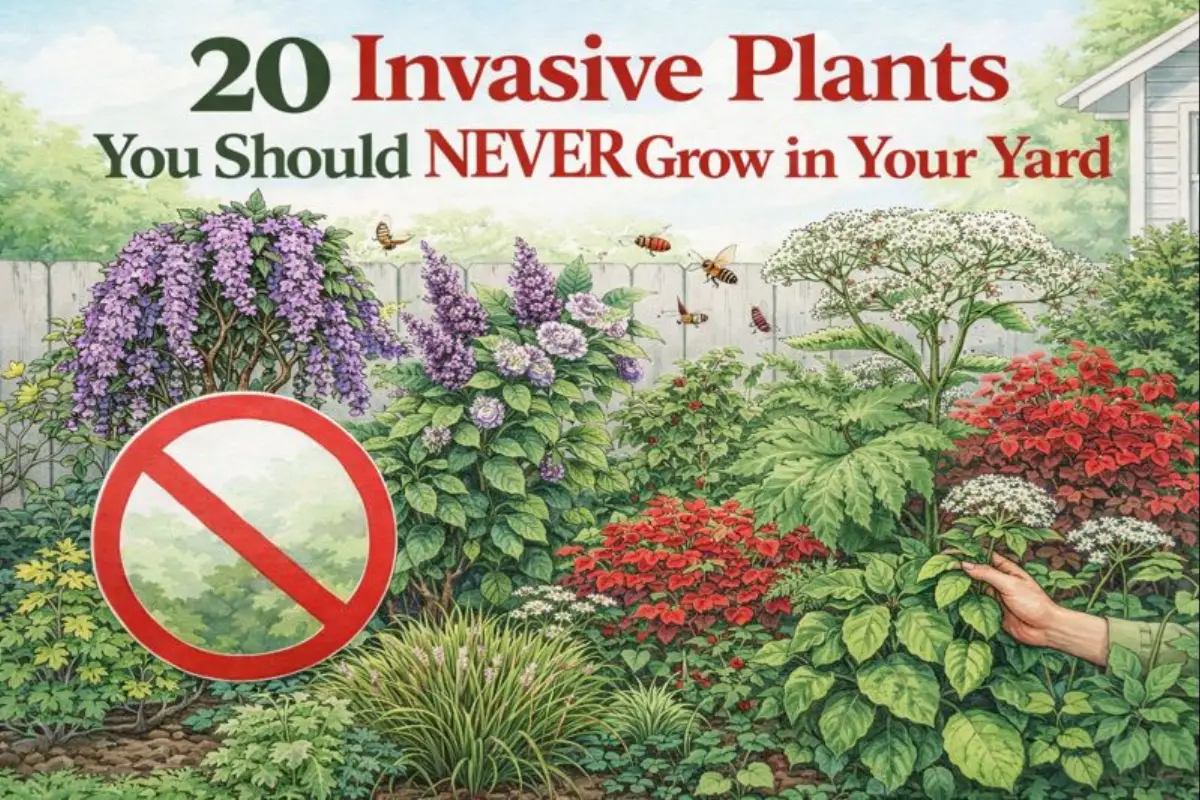
admin 20 Invasive Plants You Should Never Grow in Your Yard
20 Invasive Plants You Should Never Grow in Your Yard
invasive plants you should never grow
A beautiful garden should be a place of balance, biodiversity, and long-term harmony with nature. Unfortunately, many homeowners unknowingly plant species that do far more harm than good. Some plants grow aggressively, escape garden borders, damage buildings, threaten wildlife, or even pose serious health risks.
These are known as invasive plants, and once established, they can be extremely difficult and costly to remove. That is why gardeners, landscapers, and environmental experts strongly warn against planting certain species.
In this in-depth guide, you will discover why invasive plants are dangerous, how they affect ecosystems, and the complete list of invasive plants you should never grow in your yard. Whether you are starting a new garden or managing an existing one, this knowledge can save you years of frustration and protect the environment around you.
What makes a plant invasive?
An invasive plant is typically a non-native species that spreads aggressively outside its natural habitat. These plants thrive because they often lack natural predators, pests, or diseases in their new environment. As a result, they grow faster, spread farther, and outcompete native plants for sunlight, water, and nutrients.
Once invasive plants take hold, they reduce biodiversity, degrade soil health, disrupt pollinators, and alter entire ecosystems. In residential areas, they can also damage foundations, walls, fences, and underground pipes.
Understanding which invasive plants you should never grow is the first step toward responsible gardening.
Why invasive plants are harmful to your yard and beyond
Many invasive plants are sold for their beauty, fast growth, or low maintenance. However, the hidden cost is often much higher.
They can spread beyond your property into nearby forests, parks, waterways, and farmland. Some species increase erosion, worsen flooding, or raise wildfire risks. Others are toxic to pets, livestock, or humans.
In some regions, having certain invasive plants on your property can even lead to fines or legal responsibility for removal.
That is why awareness matters.
1. Wisteria
Wisteria is admired for its cascading purple flowers, but it is one of the most aggressive vines you can plant. It grows rapidly, wraps tightly around trees and structures, and can cause severe structural damage. Once established, it is extremely difficult to remove completely.
2. Butterfly Bush
Despite its name and popularity, butterfly bush spreads aggressively through seeds that travel long distances. It displaces native plants that local insects and butterflies actually depend on, making it one of the invasive plants you should never grow.
3. English Ivy
English ivy may look charming on walls and fences, but it damages brickwork, weakens trees, and smothers ground vegetation. It spreads quickly and is toxic if ingested by pets or children.
4. Japanese Barberry
This dense shrub creates ideal habitats for ticks and spreads rapidly into forests and fields. It alters soil chemistry and crowds out native plant species.
5. Privet
Often planted as hedges, privet species grow aggressively and spread through bird-dispersed seeds. They form dense thickets that choke out native plants and reduce wildlife diversity.
6. Mimosa Tree
The mimosa tree grows fast and produces large numbers of seeds. It quickly invades open land, riverbanks, and roadsides, disrupting native plant communities.
7. Bush Honeysuckle
Bush honeysuckle shades out native plants and alters soil conditions. It leafs out earlier than most native species, giving it a competitive advantage that damages local ecosystems.
8. Burning Bush
Known for its bright red fall foliage, burning bush spreads aggressively into woodlands. Birds disperse its seeds, making control extremely difficult once it escapes gardens.
9. Chinese Privet
Chinese privet is even more invasive than common privet. It forms dense monocultures, reduces plant diversity, and is very difficult to eradicate once established.
10. Pampas Grass
Pampas grass produces massive amounts of wind-dispersed seeds. It invades natural habitats, increases fire risk, and quickly takes over large areas if left unchecked.
11. Autumn Olive
This shrub fixes nitrogen in the soil, giving it an advantage over native plants that thrive in low-nitrogen conditions. It spreads aggressively and alters natural plant communities.
12. Giant Hogweed
Giant hogweed is extremely dangerous. Its sap causes severe skin burns and blisters when exposed to sunlight. It spreads rapidly and poses serious health risks.
13. Japanese Knotweed
Considered one of the most destructive invasive plants in the world, Japanese knotweed can grow through concrete, asphalt, and building foundations. It is notoriously difficult to remove and can reduce property value.
14. Oleander
Oleander is highly toxic to humans and animals. Every part of the plant contains poisonous compounds, and ingestion can be fatal. In warm climates, it can also spread aggressively.
15. Multiflora Rose
Multiflora rose forms dense, thorny thickets that overtake fields, forests, and roadsides. It spreads rapidly and is extremely difficult to remove due to its extensive root system.
16. Forsythia
While not invasive everywhere, forsythia can spread aggressively in certain regions. It roots easily from branches and can dominate garden spaces if not carefully managed.
17. Ragwort
Ragwort is highly toxic to livestock and poses risks to pets and humans. It spreads quickly in pastures and open land, contaminating grazing areas.
18. Trumpet Vine
Trumpet vine grows aggressively and can damage siding, fences, and roofs. It attracts pests and spreads rapidly through underground runners.
19. Poison Ivy
Poison ivy is highly invasive and extremely irritating. Contact causes painful rashes, and it spreads easily through roots and seeds carried by birds.
20. Castor Bean Plant
This plant contains ricin, one of the most toxic natural substances known. Even small amounts can be deadly if ingested. It also spreads quickly in warm climates.
How to prevent invasive plants in your garden
The best defense is prevention. Always research plants before buying them, especially fast-growing or exotic species. Choose native plants whenever possible, as they support local wildlife and require less maintenance.
Monitor your yard regularly. If you notice a plant spreading aggressively, act early. Removing invasive plants becomes significantly harder the longer they are allowed to grow.
Dispose of plant material properly, as many invasive species can regrow from small fragments.
Safe and eco-friendly alternatives
Instead of invasive species, consider native flowering shrubs, ground covers, and vines that offer beauty without ecological damage. Native plants improve soil health, attract beneficial insects, and create a balanced garden ecosystem.
Replacing invasive plants you should never grow with responsible alternatives is one of the most impactful steps a gardener can take.
Final thoughts
Invasive plants may look appealing at first, but their long-term impact can be devastating. From environmental damage to health risks and property destruction, the costs far outweigh the benefits.
By learning which invasive plants you should never grow, you protect not only your own yard but also the surrounding environment. Responsible gardening choices today help preserve ecosystems for future generations.
A truly beautiful garden is one that works with nature, not against it.
FAQ: Invasive Plants You Should Never Grow
What does “invasive plant” mean?
An invasive plant is usually a non-native species that spreads aggressively, escapes gardens, and outcompetes native plants. It can damage local ecosystems by reducing biodiversity, changing soil conditions, and disrupting wildlife habitats. That is why many experts warn about invasive plants you should never grow.
Are invasive plants illegal to grow?
It depends on your country, state, or region. Some invasive species are restricted or banned, while others are still sold even though they cause problems. Always check local regulations before planting, especially if you are unsure whether a plant is on an invasive list.
Why are invasive plants bad for native wildlife?
Native wildlife depends on native plants for food and shelter. Invasive plants often replace native species, leaving pollinators, birds, and beneficial insects with fewer resources. This can reduce local biodiversity and weaken the entire ecosystem.
How do invasive plants spread so fast?
Many invasive plants spread through multiple methods such as wind-blown seeds, bird-dispersed berries, creeping roots, underground runners, and regrowth from tiny fragments. This makes them difficult to control once established.
What are the most damaging invasive plants you should never grow?
Some of the most destructive include Japanese knotweed, English ivy, giant hogweed, burning bush, bush honeysuckle, and multiflora rose. These can spread rapidly, harm ecosystems, and in some cases cause property damage or health risks.
How can I tell if a plant is invasive in my area?
Search your local government or environmental agency invasive species list. You can also contact local extension services, native plant societies, or community gardening groups that track invasive plants by region.
What should I do if I already have an invasive plant in my yard?
Start by identifying the plant and learning the safest removal method. For many invasive species, early action is key. You may need repeated cutting, digging out roots, careful disposal, or professional help for serious infestations like Japanese knotweed or giant hogweed.
Can I compost invasive plant cuttings?
In most cases, no. Many invasive plants can regrow from small pieces of stems or roots, even in compost piles. It is usually safer to bag the plant material and dispose of it according to local guidelines.
What is the safest way to remove toxic invasive plants?
Wear gloves, long sleeves, eye protection, and avoid skin contact. For plants like giant hogweed or poison ivy, do not burn plant material and avoid touching your face. If the plant is widespread or dangerous, professional removal is often the safest option.
What are good alternatives to invasive plants?
Native plants are the best alternative because they support pollinators and local wildlife while staying in balance with the environment. You can choose native flowering shrubs, ground covers, ornamental grasses, and vines that provide the same decorative effect without the invasive risks.
How can I prevent invasive plants from coming back?
Inspect your yard regularly, remove seedlings early, avoid planting known invasive species, and replant cleared areas with strong native plants. Healthy, dense planting reduces open space where invasives can take hold.
0 Comment