

 admin
admin Homemade Iron Fertilizer for Plants – Boost Your Garden’s Health Naturally
homemade iron fertilizer for plants : When Your Plants Whisper for Help
You’ve probably stood in your garden, coffee in hand, wondering why some of your plants look a little… tired.
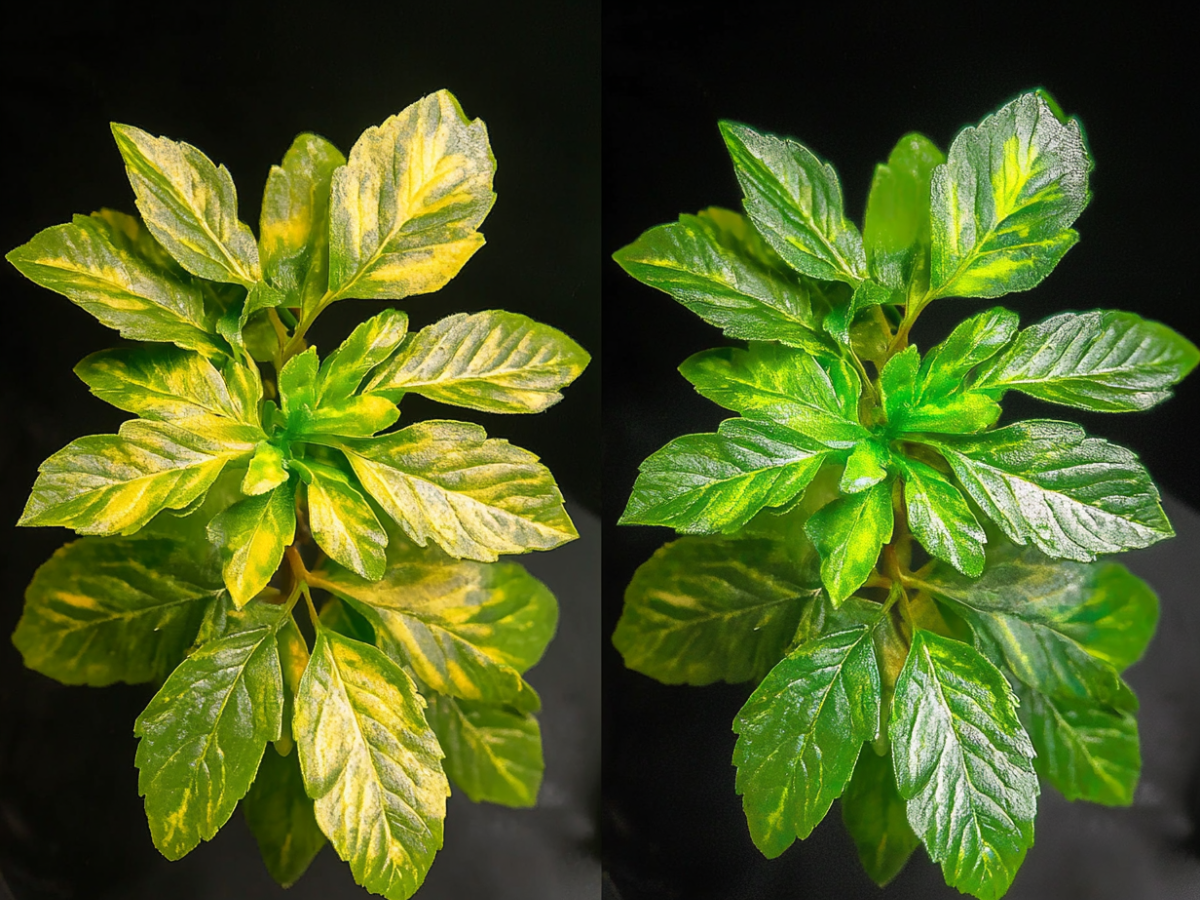
The leaves seem pale, almost yellow, with thin green veins tracing across them like a fading map.
It’s not laziness—it’s a cry for help.
This is often your plant’s way of telling you, “I’m starving for iron.”
And the good news? You don’t need to run to the garden store and spend a fortune on chemical solutions.
You can make your own homemade iron fertilizer for plants with things you already have at home—safely, affordably, and naturally.
By the time you finish this guide, you’ll know exactly how to bring back those deep, lush greens in your garden, using nothing more than a few clever tricks and pantry items.
Understanding the Role of homemade iron fertilizer for plants Health
What Iron Does for Plants
Iron is one of those quiet heroes in the plant world. It doesn’t get the fame of nitrogen or potassium, but without it, your plants can’t create chlorophyll—the pigment that makes leaves green and drives photosynthesis.
In short: no iron, no energy production, no vibrant growth.
Signs Your Plants Are Suffering from Iron Deficiency
You might suspect an iron shortage if you notice:
- Yellow leaves but green veins (a condition called chlorosis)
- New leaves turning pale while older leaves stay green
- Stunted growth or poor flowering
Quick Reference Table:
| Symptom | Likely Cause |
|---|---|
| Yellow leaves, green veins | Iron deficiency |
| Slow growth | Multiple nutrient shortages |
| Reduced blooms | Possible iron and phosphorus imbalance |
Why Choose Homemade Iron Fertilizer Over Store-Bought?
The Benefits of DIY Iron Fertilizer
Making your own fertilizer isn’t just about saving money—it’s about taking control.
When you craft your own iron supplement for plants, you know exactly what goes into it.
- Cost-Effective – Most recipes use scraps or items you’d otherwise throw away.
- Eco-Friendly – No synthetic chemicals leaching into your soil.
- Customizable – Adjust acidity or concentration based on your plants’ needs.
- Satisfying – There’s something rewarding about solving a problem with your own hands.
5 Best Homemade Iron Fertilizer for Plants
Here’s where the fun begins. You’re about to discover five tried-and-true ways to give your plants the iron boost they crave.
Recipe 1 – Rusty Nail & Lemon Water Fertilizer
Ingredients Table:
| Ingredient | Quantity | Purpose |
|---|---|---|
| Rusty nails | 3–4 | Iron source |
| Lemon juice | 2 tbsp | Acidifies water for better absorption |
| Water | 1 liter | Carrier for the solution |
Instructions:
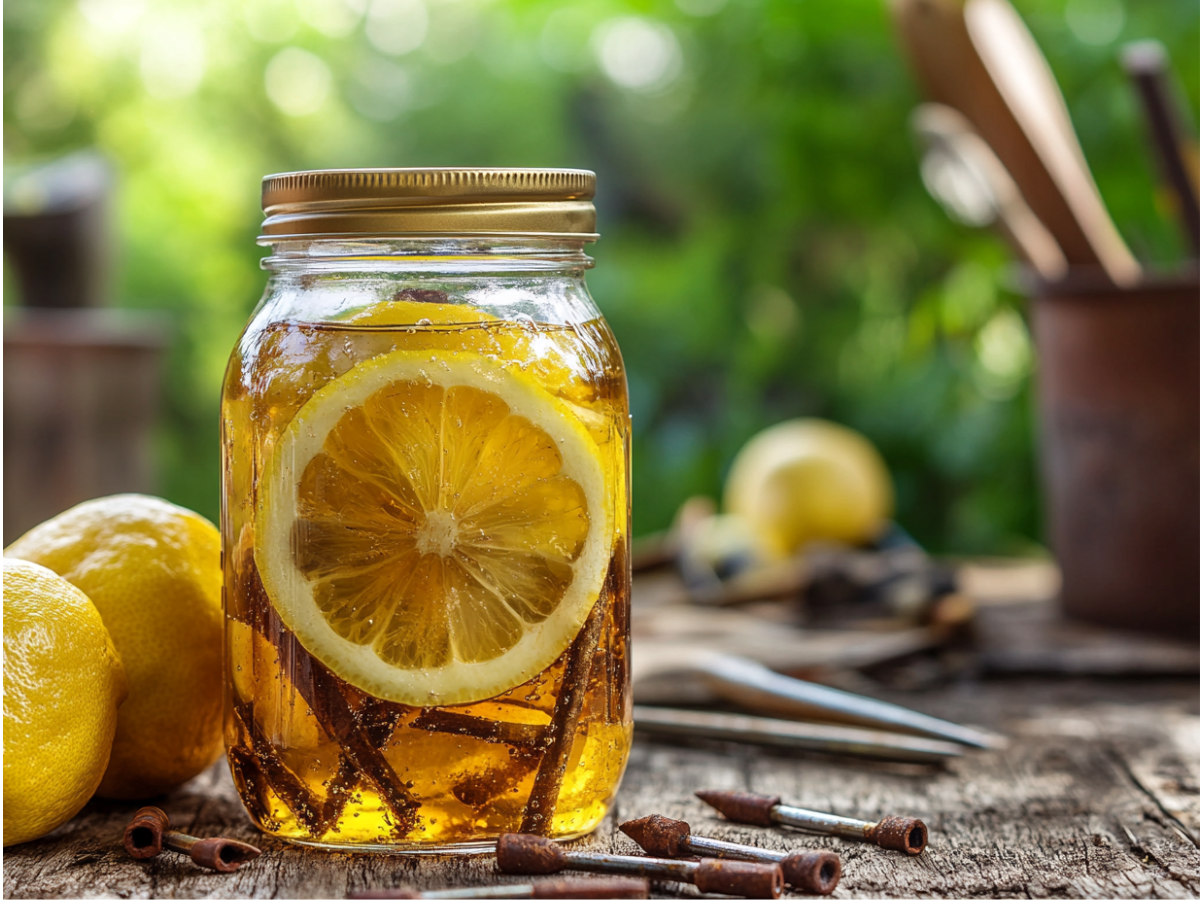
- Drop the rusty nails into a large glass jar.
- Add lemon juice and fill with water.
- Let it sit for 4–5 days until the water turns a reddish-brown.
- Use this solution to water your plants once every 2–3 weeks.
Pro Tip: The acidity from lemon juice helps dissolve more iron from the nails, making it easier for plants to absorb.
Recipe 2 – Iron-Rich Compost Tea
- Fill a bucket with compost rich in green waste (nettle leaves, spinach stems, coffee grounds).
- Add water until everything is submerged.
- Let steep for 48 hours, stirring occasionally.
- Strain and use as a liquid feed around the base of your plants.
This method doesn’t just add iron—it brings a full suite of micronutrients.
Recipe 3 – Molasses Iron Boost
Molasses is packed with trace minerals, including iron.
How to Make It:
- Mix 1 tablespoon of molasses into 1 liter of warm water.
- Stir until fully dissolved.
- Pour directly onto the soil or use as a foliar spray.
Molasses also feeds beneficial soil microbes, making it a double win.
Recipe 4 – Steel Wool Vinegar Soak
This is the faster, more intense cousin of the rusty nail method.
- Place a ball of steel wool in a jar of vinegar.
- Let sit overnight until the liquid darkens.
- Dilute 1 part vinegar mixture to 10 parts water before using.
Warning: Never apply undiluted—it’s too acidic for most plants.
Recipe 5 – Epsom Salt & Iron Combo Spray
When plants lack both magnesium and iron, this spray works wonders.
Mixing Ratio:
- 1 tablespoon Epsom salt
- 500 ml of rusty nail solution (from Recipe 1)
- 500 ml water
Spray directly onto leaves early in the morning for maximum absorption.
How to Apply Homemade Iron Fertilizer for plants Safely
Overdoing it with iron is just as harmful as having too little. Follow these guidelines:
- Best Time – Early morning or late afternoon to avoid leaf burn.
- Application Methods – Water into the soil or spray leaves directly (foliar feeding).
- Frequency – Every 2–4 weeks during the growing season.
Safety Tips:
- Always dilute concentrated solutions.
- Test on one plant before treating the whole garden.
- Avoid applying during extreme heat.
Plants That Benefit Most from Iron Fertilizer
Some plants are pickier about their iron intake than others.
| Plant Type | Iron Needs |
|---|---|
| Blueberries | High |
| Azaleas | High |
| Spinach | Medium-High |
| Citrus trees | Medium |
| Roses | Medium-High |
If you grow acid-loving plants, regular iron supplementation can make a huge difference in color, growth, and yield.
Preventing Iron Deficiency Naturally
While quick fixes are great, prevention is always better.
- Keep Soil Slightly Acidic – Aim for a pH between 6 and 6.5.
- Use Organic Mulch – Leaf mold, compost, or pine needles help maintain healthy soil chemistry.
- Avoid Overwatering – Waterlogged soil can block iron uptake.
- Rotate Crops – Different plants use different nutrients, preventing imbalances.
FAQs – Homemade Iron Fertilizer for Plants
Q: How do I know if my plants need iron?
A: Watch for yellowing leaves with green veins, especially on new growth.
Q: Can I use rusty water for all plants?
A: Most plants handle it well, but avoid excessive use on sensitive varieties.
Q: How often should I apply homemade iron fertilizer?
A: Every 2–4 weeks in the growing season is ideal.
Q: Is vinegar good for iron absorption in plants?
A: Yes, in small doses it helps make iron more available in the soil.
Conclusion – Give Your Plants the Gift of Strength
Iron might be invisible to the naked eye, but its effects are unmistakable—lush leaves, strong stems, and vibrant blooms.
By making your own homemade iron fertilizer for plants, you’re not only saving money but also creating a healthier, more sustainable garden.
Don’t wait until your plants are struggling—start today.
Mix up one of these recipes, give your garden the nutrients it’s craving, and watch as it transforms before your eyes.
Your turn to make Homemade Iron Fertilizer for plants : Try one of these methods this week, then come back and share your results. Your success story might just inspire the next gardener to go DIY!
0 Comment