
 admin
admin Growing Hundreds of Lemons at Home: A Complete Guide for Backyard Success
Introduction: Imagine Your Own Lemon Grove
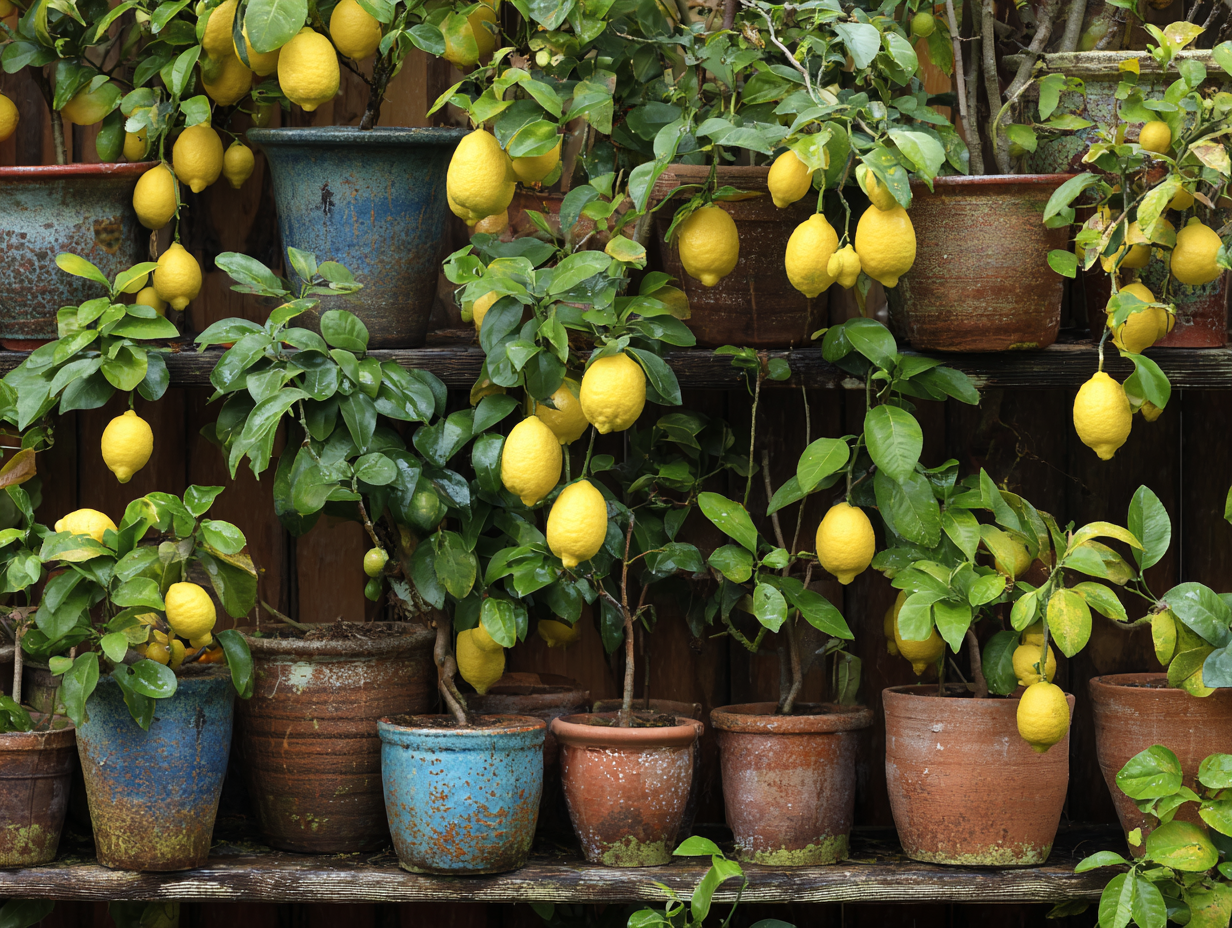
Picture this: you step into your garden on a sunny morning, the air carrying a faint citrus fragrance. You reach out and twist a bright yellow lemon from a tree you nurtured with your own hands. The fruit is warm from the sun, juicy, and bursting with flavor. Now imagine not just one lemon, but baskets overflowing—literally hundreds of lemons grown at home.
It sounds like something only a seasoned gardener could do, right? The truth is, growing hundreds of lemons at home is within your reach. With the right approach, patience, and care, you can transform your backyard (or even a sunny patio) into a citrus haven that rewards you year after year.
This guide will walk you through every step: from choosing the right tree variety to harvesting armfuls of fruit, and even what to do with your bounty once you’ve picked it. By the end, you’ll know exactly how to turn your garden into a lemon-producing powerhouse.
Why Grow Lemons at Home? More Than Just Citrus Fruit
Before you dig into soil preparation and fertilizer schedules, let’s talk about why growing lemons at home is worth your time.
- Unmatched Freshness – A lemon plucked from your tree is juicier, more fragrant, and richer in flavor compared to store-bought fruit that may have traveled thousands of miles.
- Health Benefits – Lemons are loaded with vitamin C, antioxidants, and compounds that support digestion, immunity, and hydration.
- Aesthetic Appeal – Lemon trees brighten up any garden with glossy green leaves, white blossoms, and cheerful yellow fruit.
- Sustainability – By growing your own lemons, you cut down on packaging, transport emissions, and reliance on mass-produced produce.
- Cost Savings – Over time, one tree can produce hundreds of lemons per year, reducing your grocery bill.
Growing lemons is not just gardening—it’s about creating a lifestyle centered on health, beauty, and sustainability.
Choosing the Best Lemon Varieties for Growing hundreds of lemons at home
Not all lemon trees are the same, and the variety you choose will determine how many lemons you’ll eventually harvest.
Meyer Lemon
- Smaller, sweeter lemons with thin skin.
- Perfect for indoor and container growing.
- Produces fruit year-round in many climates.
Eureka Lemon
- The classic supermarket lemon.
- Vigorous producer with a tart, zesty flavor.
- Great choice if you want hundreds of lemons at home.
Lisbon Lemon
- Hardy and highly productive.
- Excellent choice for outdoor gardens in warmer climates.
Ponderosa Lemon
- Known for oversized fruit.
- Fun to grow, though not as abundant in numbers.
👉 Tip: If you’re in cooler regions, consider dwarf Meyer lemon trees that thrive indoors with enough light. If you’re in USDA zones 9–11, outdoor varieties like Eureka or Lisbon will thrive.
Step-by-Step Guide to Growing Hundreds of Lemons at Home
You don’t need a massive orchard. Even a single well-cared-for tree can reward you with a stunning harvest. Let’s break it down.
1. Planting and Soil Preparation
- Soil Type: Lemons prefer well-draining, sandy loam soil. Heavy clay soil will suffocate roots.
- pH Level: Aim for slightly acidic soil between 5.5 and 6.5.
- Site Selection: Choose a sunny spot with at least 6–8 hours of direct sunlight daily.
- Planting: If using a pot, ensure it has drainage holes. For ground planting, dig a hole twice as wide as the root ball but no deeper.
2. Watering Schedule
- Deep watering once or twice a week is better than frequent shallow watering.
- Mulch around the base to keep moisture consistent.
- Reduce watering in cooler months to prevent root rot.
3. Sunlight Requirements
- Citrus trees thrive in warmth.
- If indoors, place near a south-facing window or use grow lights.
4. Fertilizing for Maximum Yield
To get hundreds of lemons at home, feeding your tree correctly is crucial.
- Use a citrus-specific fertilizer.
- Apply once a month during the growing season (spring through late summer).
- Ensure nitrogen is high, but also supply magnesium, zinc, and iron.
5. Pruning and Tree Care
- Prune dead or overcrowded branches to improve air circulation.
- Shape the tree to allow sunlight to penetrate inside.
- Remove suckers (small shoots near the base) that steal energy.
6. Pest and Disease Control
- Aphids & Scale: Use neem oil or insecticidal soap.
- Leaf Yellowing: Often nutrient-related—apply balanced fertilizer.
- Root Rot: Avoid overwatering.
Harvesting Your Lemons
After all your effort, how do you know when it’s time to pick?
- Lemons should be bright yellow, firm, and slightly glossy.
- They should feel heavy for their size (a sign of juiciness).
- Twist gently instead of pulling to avoid branch damage.
A mature lemon tree can yield 100–200 lemons per year under the right conditions. With multiple trees, you’ll easily be harvesting hundreds.
How to Store and Use Your Lemon Harvest
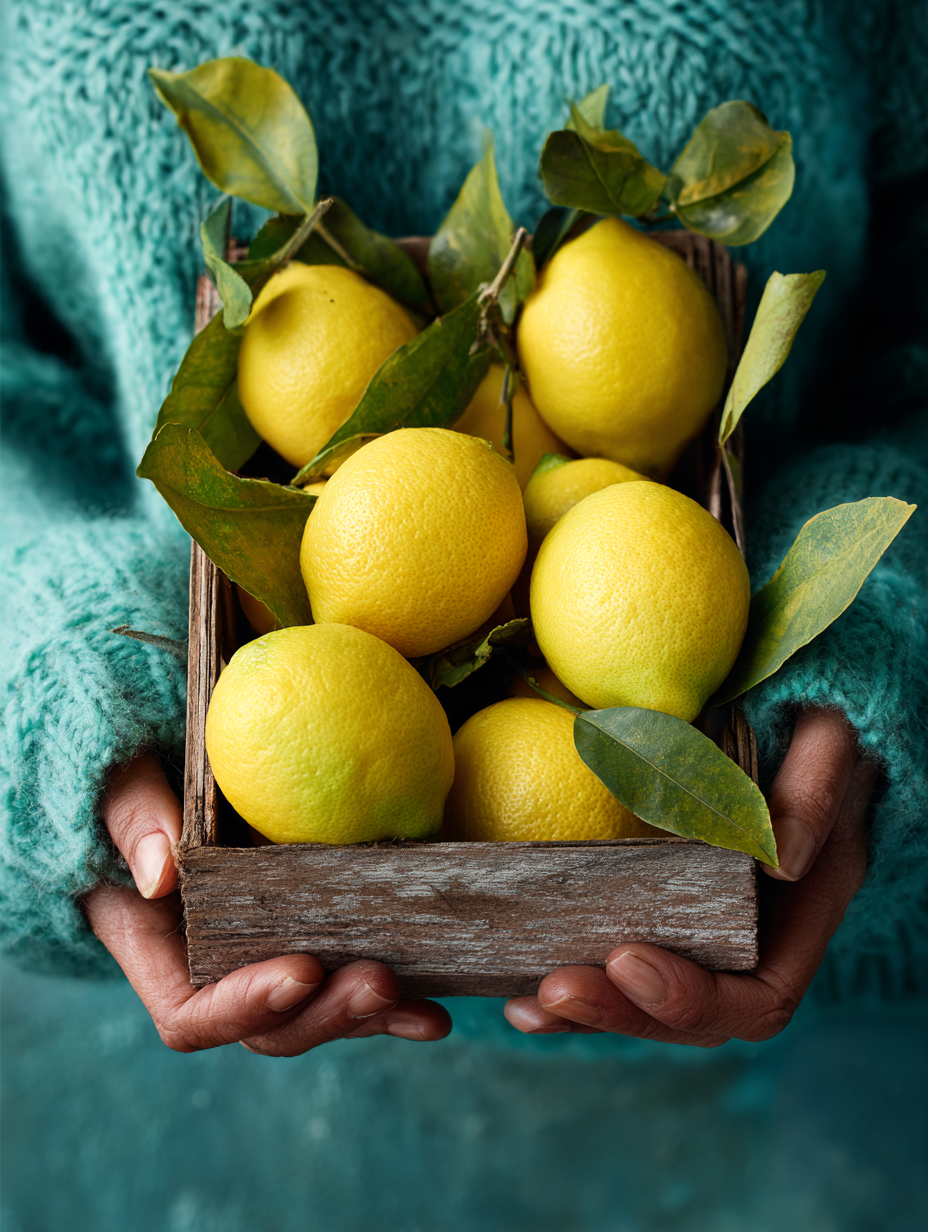
Once you’ve gathered your basket of lemons, the next question is: what now?
Storing Fresh Lemons
- Room Temperature: Up to 1 week.
- Refrigeration: Keeps lemons fresh for 3–4 weeks.
- Freezing: Juice and zest can be frozen for later use.
Homemade Recipes with Lemons
Here’s a handy table with simple ideas:
| Recipe | Ingredients | Quick Steps |
|---|---|---|
| Classic Lemonade | 6 lemons, 1 cup sugar, 6 cups water, mint leaves | Squeeze lemons, dissolve sugar in water, mix, serve chilled with mint |
| Lemon Curd | 4 lemons, 1 cup sugar, ½ cup butter, 4 eggs | Whisk juice, zest, sugar, eggs, cook slowly with butter until thick |
| Lemon Vinaigrette | ½ cup lemon juice, ½ cup olive oil, 1 tbsp honey, garlic | Shake all ingredients in a jar until emulsified |
Non-Food Uses
- Natural cleaning spray (mix juice with vinegar).
- Lemon-scented candle wax or essential oils.
- Skin brightening masks and hair rinses.
Troubleshooting Common Lemon Growing Problems
Even experienced gardeners face challenges. Here’s how to solve them:
- Yellow Leaves – Usually due to lack of nitrogen or overwatering. Apply citrus fertilizer.
- No Flowers/Fruit – Check sunlight exposure, prune correctly, and ensure pollination (indoors may require hand-pollination).
- Fruit Dropping Too Early – Stress from irregular watering or pests. Maintain consistent care.
Frequently Asked Questions About Growing Hundreds of Lemons at Home
Can you grow lemons indoors year-round?
Yes, especially dwarf varieties like Meyer lemons. You’ll need strong sunlight or grow lights, regular watering, and occasional pollination help.
How long does it take for a lemon tree to bear fruit?
If you start with a grafted tree, you may see fruit in 2–3 years. Trees grown from seed often take 5–7 years.
What’s the best fertilizer for lemon trees?
Citrus-specific fertilizers with high nitrogen are ideal. Look for added magnesium, zinc, and iron.
How many lemons can one tree produce?
A mature, healthy tree can produce 100–200 lemons per year. With multiple trees, you’ll easily reach hundreds.
Conclusion: Your Lemon Grove Awaits
Growing hundreds of lemons at home isn’t just about the fruit—it’s about the satisfaction of watching your effort pay off, the joy of sharing your harvest with family and friends, and the pride of knowing you’re capable of creating abundance right in your backyard.
Whether you have a small balcony or a spacious garden, your lemon journey can begin today. Plant one tree, nurture it with care, and before long, you’ll be harvesting baskets of golden fruit season after season.
0 Comment