
 admin
admin Family Compound Living: How Multi-Generational Homes Keep Wealth in the Family
Family Compound Living: How Multi-Generational Homes Keep Wealth in the Family
In today’s fast-changing world, housing has become one of the biggest financial challenges for families. Rising property prices, increasing rents, and the cost of living have made it harder than ever for relatives to stay close to one another. Many families now live in different cities or even different countries, seeing each other only during holidays.
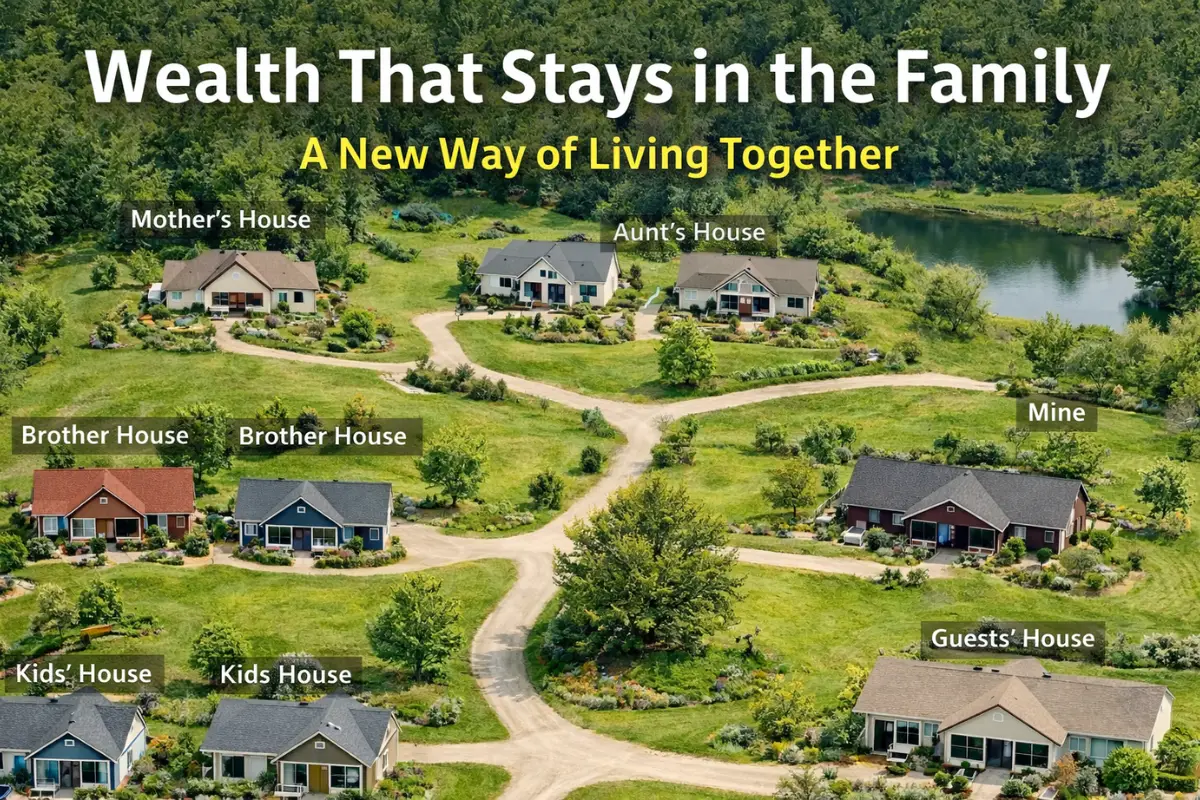
But a growing number of people are rediscovering an old yet powerful concept: living together on shared land. Instead of buying separate homes scattered across different areas, families are choosing to build small clusters of houses around a shared space. This approach is often called a family compound, multi-generational homestead, or family village.
The idea is simple but powerful. Each household has its own private home, yet everyone lives close enough to support one another. Over time, this model helps keep wealth, property, and opportunities within the family instead of spreading them across multiple mortgages and landlords.
This way of living is not new. For centuries, families around the world lived in close-knit communities. What is new is the modern adaptation of this idea, combining independence with togetherness.
What Is a Family Compound?
A family compound is a property where multiple family members live in separate homes built on the same piece of land. Each household maintains its independence, but shared spaces encourage interaction and cooperation.
A typical layout might include:
- A house for parents or grandparents
- Homes for adult children
- Smaller cottages for young adults or guests
- Shared gardens, paths, and outdoor spaces
Instead of one large house, the land becomes a small, private neighborhood built around family relationships.
Why More Families Are Choosing This Lifestyle
There are many reasons why multi-generational living is becoming more popular.
Rising Housing Costs
In many regions, buying a home is becoming less affordable. By purchasing land together and building smaller homes, families can reduce the financial burden on each household.
Shared costs may include:
- Land purchase
- Driveways and pathways
- Utility installations
- Landscaping and maintenance
This approach makes homeownership more accessible.
Desire for Stronger Family Bonds
Modern life often separates families. Work, education, and lifestyle choices spread relatives across large distances. Living near each other allows families to:
- Share daily moments
- Celebrate together
- Support one another during difficult times
Instead of occasional visits, relationships grow through everyday interaction.
Built-In Support Systems
One of the greatest advantages of a family compound is the natural support network it creates.
Grandparents can:
- Help with childcare
- Share wisdom and experience
- Spend more time with grandchildren
Adult children can:
- Assist aging parents
- Share responsibilities
- Offer emotional and practical support
This system reduces reliance on expensive external services.
Emotional Security
Living near loved ones creates a strong sense of safety. In emergencies, help is just a short walk away. This environment also reduces feelings of loneliness, especially for seniors or single family members.
The Financial Power of Living Together
The phrase “wealth that stays in the family” reflects one of the biggest benefits of this lifestyle.
Shared Property Investment
Instead of each family member buying separate properties, the family invests in one shared piece of land. Over time, the property value may increase, benefiting everyone.
Reduced Living Expenses
Living close together allows families to:
- Share tools and equipment
- Split maintenance costs
- Grow food together
- Reduce transportation expenses
These small savings add up over the years.
Generational Wealth Building
A family compound can be passed down to future generations. Instead of selling the property when someone passes away, the land remains within the family.
This creates:
- Long-term financial stability
- A permanent home base for future generations
- A family legacy tied to the land
Designing a Successful Family Compound
A well-planned layout is essential. The goal is to balance privacy with connection.
Separate Homes for Independence
Each household should have:
- Its own entrance
- Private kitchen and living areas
- Personal outdoor space
This ensures that everyone maintains independence and comfort.
Central Shared Areas
Shared spaces encourage togetherness. These may include:
- A central garden
- Outdoor dining areas
- A playground
- A workshop or garage
These areas become gathering points for the family.
Walkable Paths
Curved paths or small roads connecting each home create a peaceful, village-like feel. They also make it easy for children and elders to move safely between houses.
Guest or Flex House
A guest house is a valuable addition. It can be used for:
- Visiting relatives
- Temporary housing
- Rental income
- A home office or studio
This space adds flexibility to the property.
Lifestyle Benefits Beyond Finances
While financial advantages are important, the emotional and lifestyle benefits are just as powerful.
Shared Meals and Traditions
Families living close together can:
- Cook and eat together regularly
- Celebrate holidays in shared spaces
- Pass down traditions more easily
These moments create strong memories and connections.
Safer Environment for Children
Children growing up in a family compound benefit from:
- Multiple adults watching over them
- Built-in playmates
- A safe, familiar environment
This creates a strong sense of belonging.
Support During Difficult Times
Life is unpredictable. Illness, job loss, or unexpected events can affect anyone. Living close to family provides immediate support without needing to ask for help from strangers.
Environmental Advantages
Family compounds can also be more environmentally friendly.
Shared Resources
Families can share:
- Solar energy systems
- Water collection systems
- Tools and equipment
This reduces waste and energy consumption.
Home Gardens and Food Production
Many family compounds include:
- Vegetable gardens
- Fruit trees
- Herb beds
Growing food together:
- Reduces grocery costs
- Improves health
- Strengthens cooperation
Reduced Transportation Needs
When relatives live nearby, there is less need for frequent car trips across town or between cities. This lowers fuel use and emissions.
How to Start a Family Compound
Creating a shared family property requires careful planning.
Step 1: Open Family Discussions
Start by talking openly about:
- Expectations
- Privacy needs
- Financial contributions
- Long-term goals
Honest communication is essential.
Step 2: Choose the Right Land
Look for land that offers:
- Enough space for multiple homes
- Good access to roads and services
- Favorable zoning regulations
It’s important to check local building laws before purchasing.
Step 3: Plan the Layout
Work with a designer or architect to:
- Position homes for privacy
- Maximize sunlight and views
- Create shared and private zones
A thoughtful layout prevents future conflicts.
Step 4: Build in Phases
You don’t need to build everything at once. Many families:
- Start with one or two homes
- Add more as needed
- Expand infrastructure over time
This approach reduces financial pressure.
Legal and Financial Considerations
Before starting, it’s important to think about the legal structure.
Ownership Models
Families may choose:
- Joint ownership of the land
- Individual ownership of each home
- A family trust or cooperative model
Each option has advantages and challenges.
Written Agreements
To avoid misunderstandings, families should create agreements covering:
- Ownership shares
- Maintenance responsibilities
- Rules for shared spaces
- Inheritance plans
Professional legal advice is highly recommended.
Common Challenges and Solutions
No living arrangement is perfect. Family compounds can face challenges, but most can be solved with planning.
Privacy Concerns
Solution:
- Space homes apart
- Use trees, fences, or gardens as natural barriers
Financial Disagreements
Solution:
- Define contributions clearly
- Keep written records
- Use a shared account for common expenses
Different Lifestyles
Solution:
- Establish basic community rules
- Respect each household’s independence
Who Benefits Most From This Lifestyle
Family compounds are ideal for:
- Large extended families
- Families with aging parents
- Families with young children
- People seeking a slower, more connected life
They are also popular among those interested in:
- Homesteading
- Sustainable living
- Rural or semi-rural lifestyles
The Emotional Value of a Family Village
Beyond money and convenience, there is something deeply meaningful about living near loved ones.
Daily life becomes richer when:
- Children run between houses
- Meals are shared
- Help is always nearby
This lifestyle brings back a sense of community that many people feel has been lost in modern cities.
A Legacy for Future Generations
A family compound is not just a home—it is a long-term investment in the future.
It offers:
- Stability for future generations
- A permanent place to return to
- A shared family identity tied to the land
Children who grow up in such environments often carry those values into adulthood, continuing the tradition.
The Future of Family Living
As housing costs rise and social isolation increases, more families are exploring alternative ways of living. Multi-generational compounds provide a practical solution that combines:
- Financial efficiency
- Emotional support
- Environmental sustainability
This approach reflects a shift in values—from individual ownership toward shared prosperity.
Conclusion
“Wealth that stays in the family” is more than an idea. It is a practical lifestyle choice that strengthens relationships, reduces costs, and creates long-term stability.
By living together on shared land, families can:
- Support one another daily
- Build generational wealth
- Create lasting memories
- Establish a legacy for the future
In a world that often pulls families apart, this model brings them back together—where wealth, love, and security truly belong.
0 Comment