
 admin
admin Container House with Rooftop Terrace: A Modern, Affordable and Sustainable Dream Home
Container House with Rooftop Terrace: A Modern, Affordable and Sustainable Dream Home
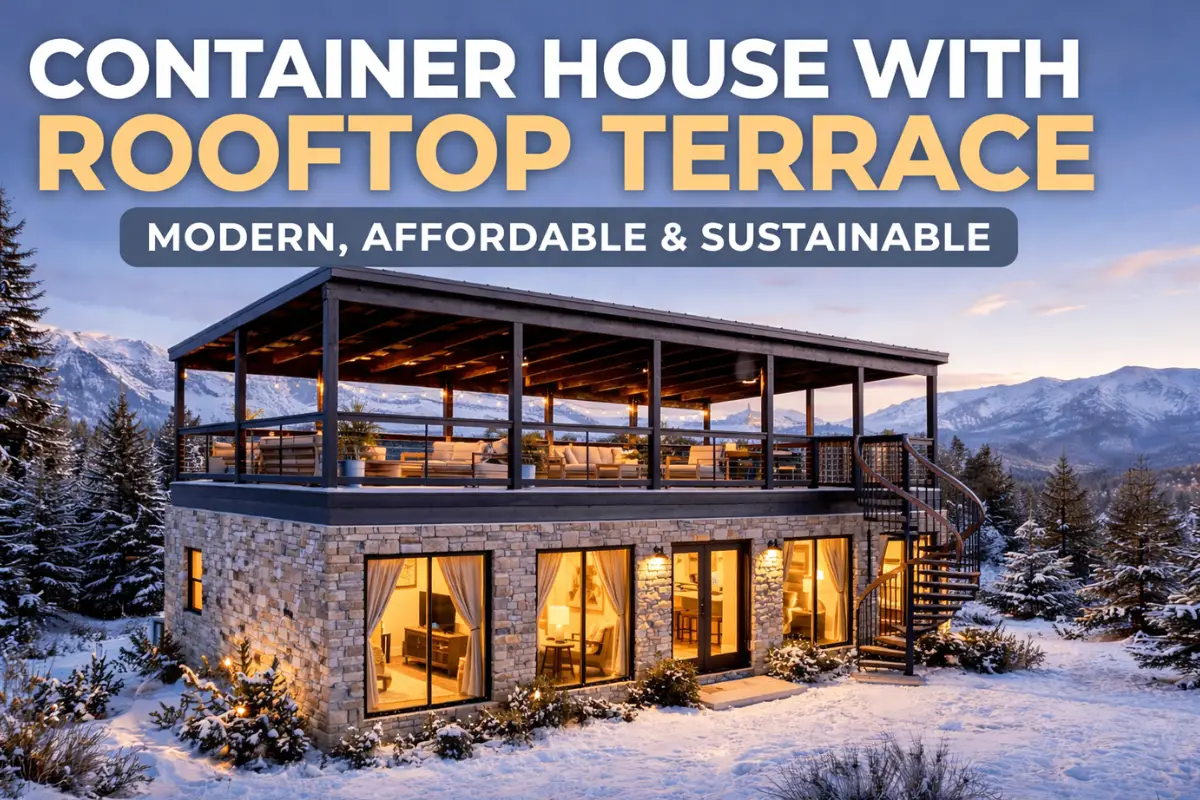
Container homes are no longer just a trend—they’re becoming a practical solution for people who want modern, affordable, and eco-friendly housing. The image above perfectly illustrates the transformation of a simple shipping container structure into a stylish, comfortable home with a stunning rooftop terrace. It shows both the construction phase and the finished result, proving how versatile and attractive container architecture can be.
In this article, we’ll explore the benefits of container homes, the building process, design ideas, costs, insulation tips, and everything you need to know if you’re dreaming of a container house with a rooftop deck.
What Is a Container Home?
A container home is a house built using recycled shipping containers. These steel containers, originally designed to transport goods across oceans, are strong, modular, and stackable. This makes them ideal building blocks for modern homes.
Instead of traditional bricks and concrete, containers form the main structure. They can be used individually for tiny homes or combined to create larger, multi-level houses like the one shown in the image.
Why Container Homes Are Becoming So Popular
1. Affordability
Traditional construction can be expensive and time-consuming. Container homes reduce both costs and building time. A used container is far cheaper than building a structure from scratch.
2. Fast Construction
Because the basic structure already exists, container homes can be assembled much faster than conventional houses. Some projects can be completed in just a few months.
3. Sustainability
Using shipping containers gives new life to steel structures that might otherwise sit unused. This reduces waste and the need for new building materials.
4. Modern Aesthetic
Container homes offer a sleek, industrial style that many homeowners love. With the right finishes, they can look just as luxurious as traditional houses.
The Concept Behind the Rooftop Terrace Design
The house in the image uses multiple containers placed side by side to form the ground level. On top, a large wooden rooftop terrace creates an outdoor living space with incredible views.
This design provides:
- Extra living space without expanding the footprint
- A relaxing outdoor lounge area
- Better views of the surrounding landscape
- Improved airflow and natural light
The transformation from the raw container structure to the finished stone-clad home demonstrates how flexible container architecture can be.
Step-by-Step Container Home Construction Process
Step 1: Planning and Permits
Before starting, you need:
- A building plan
- Local permits
- Land suitable for container construction
Some areas have strict regulations, so always check building codes.
Step 2: Foundation
Containers must sit on a proper foundation. Common options include:
- Concrete slab
- Pier foundation
- Screw piles
This keeps the structure stable and protects it from moisture.
Step 3: Container Placement
The containers are delivered and positioned using a crane. They are then:
- Welded together
- Secured to the foundation
- Reinforced if necessary
Step 4: Cutting Openings
Windows, doors, and interior connections are cut into the steel walls. Structural reinforcements are added where needed.
Step 5: Insulation and Framing
Steel conducts heat and cold, so insulation is crucial. Popular choices include:
- Spray foam
- Rigid foam boards
- Mineral wool
Interior framing is added to support walls and finishes.
Step 6: Exterior Finishing
In the finished image, the containers are covered with stone cladding. This:
- Improves insulation
- Enhances aesthetics
- Protects the steel structure
Step 7: Rooftop Deck Construction
The wooden terrace is built on top using:
- Steel supports
- Pressure-treated wood
- Weather-resistant finishes
Railings and stairs are added for safety and accessibility.
Advantages of a Rooftop Terrace on a Container Home
Outdoor Living Space
A rooftop deck acts as a second living room outdoors. It’s perfect for:
- Relaxing
- Entertaining guests
- Dining under the stars
Better Views
Elevated terraces offer panoramic views of the surroundings, especially in scenic locations like mountains or forests.
Improved Property Value
Homes with rooftop terraces are often more attractive to buyers and renters.
Interior Design Ideas for Container Homes
Container interiors can feel spacious and comfortable with the right design choices.
Open-Plan Layout
Combining kitchen, dining, and living areas creates a sense of openness.
Large Windows
Floor-to-ceiling windows, like those in the image, bring in natural light and make the space feel bigger.
Warm Materials
Wood floors, soft textiles, and neutral colors balance the industrial steel structure.
Insulation Tips for Cold Climates
The snowy setting in the image highlights the importance of proper insulation.
Best Insulation Methods
- Spray foam insulation
- Seals gaps
- Provides high thermal resistance
- Exterior insulation panels
- Reduce thermal bridging
- Improve energy efficiency
- Double-glazed windows
- Keep heat inside
- Reduce energy bills
Estimated Cost of a Container Home
Costs vary depending on size, location, and finishes.
Basic Cost Breakdown
| Element | Estimated Cost |
|---|---|
| Used container | $2,000 – $5,000 each |
| Foundation | $5,000 – $15,000 |
| Insulation | $5,000 – $10,000 |
| Interior finishing | $15,000 – $40,000 |
| Rooftop deck | $10,000 – $25,000 |
Total Estimate
A complete container home like the one shown may cost:
$60,000 to $150,000, depending on quality and customization.
Key Challenges of Container Homes
Building Codes
Not all areas allow container homes. Always verify local regulations.
Insulation Needs
Steel walls require proper insulation to prevent condensation and heat loss.
Structural Modifications
Cutting large openings requires reinforcement to maintain strength.
Eco-Friendly Features You Can Add
To make your container home even more sustainable:
- Solar panels on the roof
- Rainwater collection systems
- Composting toilets
- Green roofs or planters on the terrace
These features reduce environmental impact and long-term costs.
Who Should Consider a Container Home?
Container homes are ideal for:
- First-time homeowners
- Off-grid enthusiasts
- Minimalists
- Vacation property owners
- Sustainable living advocates
Design Variations for Rooftop Container Homes
1. Modern Glass Terrace
Add glass railings for an open, contemporary look.
2. Green Rooftop Garden
Turn the deck into a lush garden with planters and herbs.
3. Outdoor Kitchen
Install a grill, sink, and seating area for rooftop dining.
Maintenance Tips
To keep your container home in excellent condition:
- Inspect for rust annually
- Repaint exterior steel every few years
- Seal rooftop deck wood regularly
- Check insulation and moisture levels
Frequently Asked Questions
Are container homes safe?
Yes. Shipping containers are designed to withstand extreme conditions and heavy loads.
How long do container homes last?
With proper maintenance, they can last 25–50 years or more.
Can container homes handle snow?
Yes, especially when reinforced and properly insulated.
Do container homes increase in value?
Well-designed container homes can appreciate in value, especially in desirable locations.
Final Thoughts
A container home with a rooftop terrace combines affordability, sustainability, and modern design. The transformation shown in the image proves that a simple steel structure can become a warm, stylish home with the right planning and materials.
Whether you’re looking for a weekend retreat, a full-time residence, or an eco-friendly project, container homes offer a flexible and inspiring solution. With smart design and proper insulation, they can be comfortable, beautiful, and built to last for decades.
If you’re dreaming of a unique, modern home with panoramic views and outdoor living space, a container house with a rooftop terrace might be the perfect solution.
0 Comment